

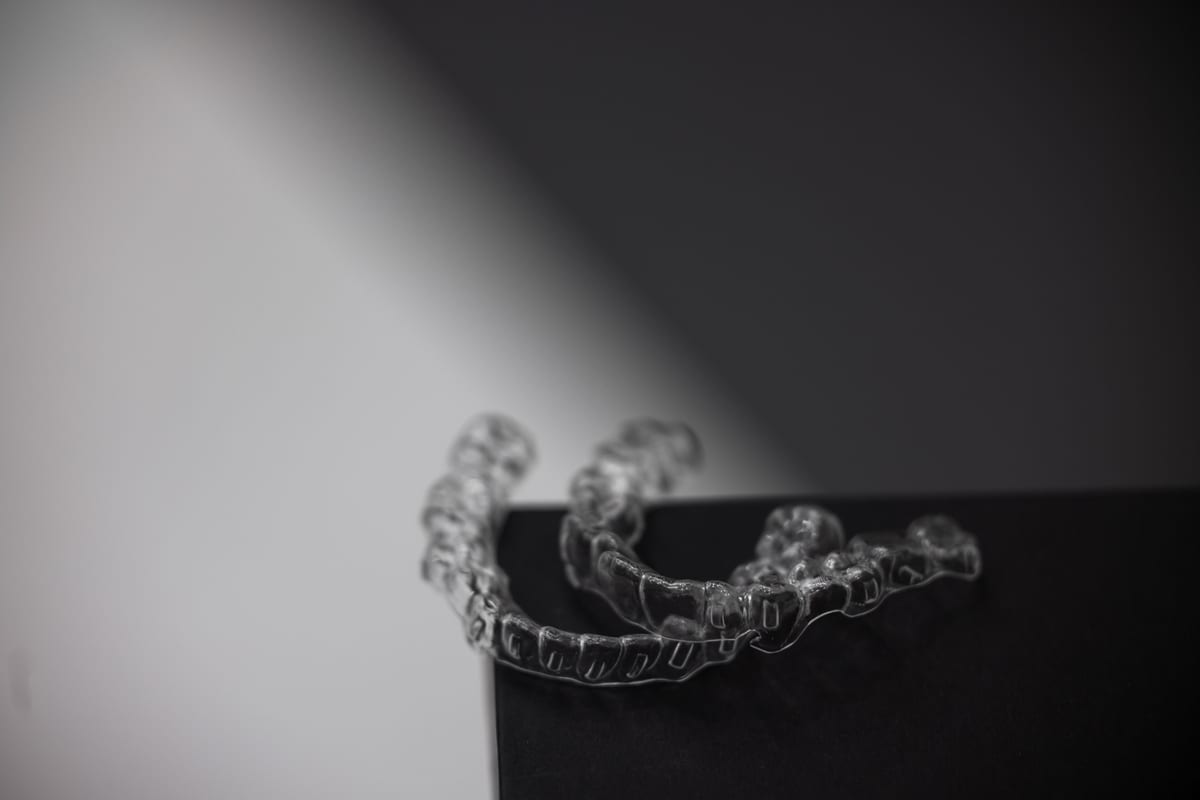
Have you ever wondered what actually happens inside your mouth during Invisalign treatment? Understanding Invisalign attachments and refinements — the hidden science behind your smile in Wells Branch — can make your entire journey feel less mysterious. At Serenity Dental Studio, Dr. Hersheal Aggarwal believes informed patients get better results. When you understand the process, you stay motivated and engaged from start to finish.
How Invisalign Actually Moves Your Teeth Step by Step
Invisalign works through a series of custom-made, clear plastic aligners. Each aligner applies gentle, targeted pressure to specific teeth. That pressure gradually shifts teeth into their desired positions over time. Your treatment plan maps out every movement before you even wear your first aligner.
Dr. Aggarwal uses advanced 3D imaging software to plan your tooth movements digitally. Each aligner in the series moves teeth by roughly 0.25 millimeters per stage. You typically wear each aligner for one to two weeks before progressing. This controlled progression is what makes Invisalign both precise and predictable.
Here is a simplified breakdown of how the movement process works:
- Stage 1: A digital scan captures your current tooth positions.
- Stage 2: Software maps the ideal final position for every tooth.
- Stage 3: A series of aligners is manufactured to execute the plan incrementally.
- Stage 4: You switch aligners on schedule to maintain steady progress.
- Stage 5: Dr. Aggarwal monitors progress at regular check-in visits.
What Are Invisalign Attachments and Why Do You Need Them?
Attachments are small, tooth-colored bumps bonded directly onto your teeth. They act like handles that give aligners something to grip. Without them, some teeth would be very difficult to rotate or shift vertically. Attachments are a core part of the hidden science behind achieving complex tooth movements.
Not every patient needs attachments. Simpler cases involving minor crowding or spacing may not require them. However, if your treatment involves significant rotation or vertical movement, attachments are essential. Dr. Aggarwal assesses your specific needs during your initial consultation at Serenity Dental Studio.
Attachments are placed quickly and comfortably during a routine appointment. Your provider bonds a small composite resin dot onto the tooth surface. The aligner then snaps over both the tooth and the attachment. This creates the precise force needed to move stubborn teeth effectively.
Common reasons attachments are used include:
- Rotating a tooth that sits at an awkward angle
- Extruding a tooth that sits too low in the gum line
- Intruding a tooth that protrudes too far down
- Anchoring certain teeth so adjacent teeth can move freely
Understanding the Aligner Change Schedule in Wells Branch
Your aligner change schedule is not arbitrary. It is carefully engineered to match the biology of tooth movement. Teeth move through a process called bone remodeling. Old bone dissolves on one side of the tooth while new bone forms on the other side.
This biological cycle takes time, which is why you wear each aligner for one to two weeks. Switching too quickly would outpace your body’s ability to remodel bone. Switching too slowly would waste valuable treatment time. Dr. Aggarwal customizes your schedule based on your unique biology and case complexity.
Many patients in the Wells Branch area ask about the new Invisalign weekly change protocol. Advances in aligner material now allow faster, more frequent changes for some patients. However, not everyone qualifies for accelerated switching. Your provider will determine the safest and most effective schedule for your specific case.
Staying consistent with your schedule is critical. Wearing aligners for the recommended 20 to 22 hours per day ensures proper force delivery. Skipping hours or days slows your progress significantly. Consistency is one of the biggest factors within your direct control during treatment.
What Are Refinements and When Are They Used?
Refinements are additional sets of aligners made after your initial series is complete. They fine-tune tooth positions that did not move exactly as planned. Teeth are biological structures, and they do not always move perfectly on the first attempt. Refinements are a normal, expected part of comprehensive Invisalign treatment.
Dr. Aggarwal performs a mid-treatment or end-of-treatment scan to evaluate your progress. If gaps exist between where your teeth are and where they should be, refinements close those gaps. New aligners are then designed and manufactured to complete the remaining movements. Think of refinements as the finishing pass that perfects your smile.
Refinements are not a sign that something went wrong. They reflect how responsive Invisalign treatment is to real-world biology. The system is designed to adapt and correct course as needed. This flexibility is one of Invisalign’s greatest strengths compared to fixed appliances.
Factors that commonly lead to refinements include:
- Teeth that rotated less than predicted
- Minor spacing that persisted after the initial series
- Bite adjustments needed to improve how upper and lower teeth meet
- Patient compliance gaps that slowed certain tooth movements
What to Expect at Your Serenity Dental Studio Invisalign Visits
Your Invisalign journey involves more than just wearing aligners at home. Regular check-in appointments with Dr. Aggarwal keep your treatment on track. These visits are typically shorter than traditional orthodontic adjustments. They allow your provider to monitor progress and catch any issues early.
During check-ins, Dr. Aggarwal examines how well your teeth are tracking with the digital plan. He checks that attachments are secure and aligners are fitting properly. If your progress looks excellent, he may approve an aligner change acceleration. If something needs attention, he addresses it before it becomes a setback.
Patients from Wells Branch appreciate the convenience of these streamlined appointments. You spend less time in the dental chair compared to traditional braces. Yet you still receive attentive, personalized oversight from an experienced provider. This balance of efficiency and care defines the Serenity Dental Studio experience.
Conclusion: Your Smile Science Starts Here
Invisalign is not just a set of clear trays. It is a sophisticated, biology-driven system engineered to reshape your smile with precision. Attachments grip and guide resistant teeth. Refinements course-correct when biology surprises us. The aligner change schedule respects your body’s natural bone remodeling cycle. Dr. Hersheal Aggarwal and the team at Serenity Dental Studio bring this science to life for patients across the Wells Branch community. Ready to see the hidden science work for your smile? Book Now to schedule your appointment with our team.
Frequently Asked Questions
Do Invisalign attachments hurt to place or remove?
Placing attachments is a quick, painless process. Dr. Aggarwal bonds small composite dots to your teeth without drilling or anesthesia. Removal at the end of treatment is equally simple and comfortable. Most patients barely notice the process either way.
How long does a typical Invisalign treatment take with refinements?
Most adult cases take between 12 and 18 months for the initial aligner series. Refinements may add a few additional months depending on how much fine-tuning is needed. Dr. Aggarwal gives you a realistic timeline estimate at your initial consultation. Every case is unique, so individual results vary.
Can I see what my teeth will look like before I start Invisalign?
Yes. Dr. Aggarwal uses ClinCheck software to create a virtual simulation of your treatment. You can see a projected before-and-after view of your smile before committing. This digital preview helps you understand the planned movements and expected outcome.
Are Invisalign attachments visible when I smile?
Attachments are made from tooth-colored composite resin, so they blend naturally with your teeth. They are not completely invisible up close, but they are far less noticeable than metal brackets. Most people around you will not notice them during normal conversation or smiling.
What happens if I lose or break an aligner?
Contact Serenity Dental Studio as soon as possible if an aligner is lost or damaged. Dr. Aggarwal will advise you to wear your previous aligner temporarily to maintain progress. A replacement aligner can be ordered to keep your treatment on schedule. Acting quickly minimizes any delays to your overall treatment timeline.