

Tooth wear is one of those problems that you or your dentist notices one fine day. You don’t feel it happening, you don’t see it in the mirror right away, and by the time a dentist points it out, it’s already been going on for years. For adults, this kind of gradual enamel erosion and structural damage is more common than most people realize, and misalignment is one of the primary causes.
The American Dental Association has noted that tooth wear in adults is increasingly prevalent, with bite-related causes being a major contributor. When teeth don’t erupt together properly, some surfaces absorb far more force than they were designed to handle. Over time, that stress chips, flattens, and wears down enamel in ways that can’t be reversed.
Why Alignment Matters More Than You Think
A well-aligned bite distributes chewing force evenly across all teeth. Misalignment disrupts that balance. Whether it’s an overbite, underbite, crowding, or spacing issue, any deviation from proper occlusion forces certain teeth to carry loads they weren’t built for.
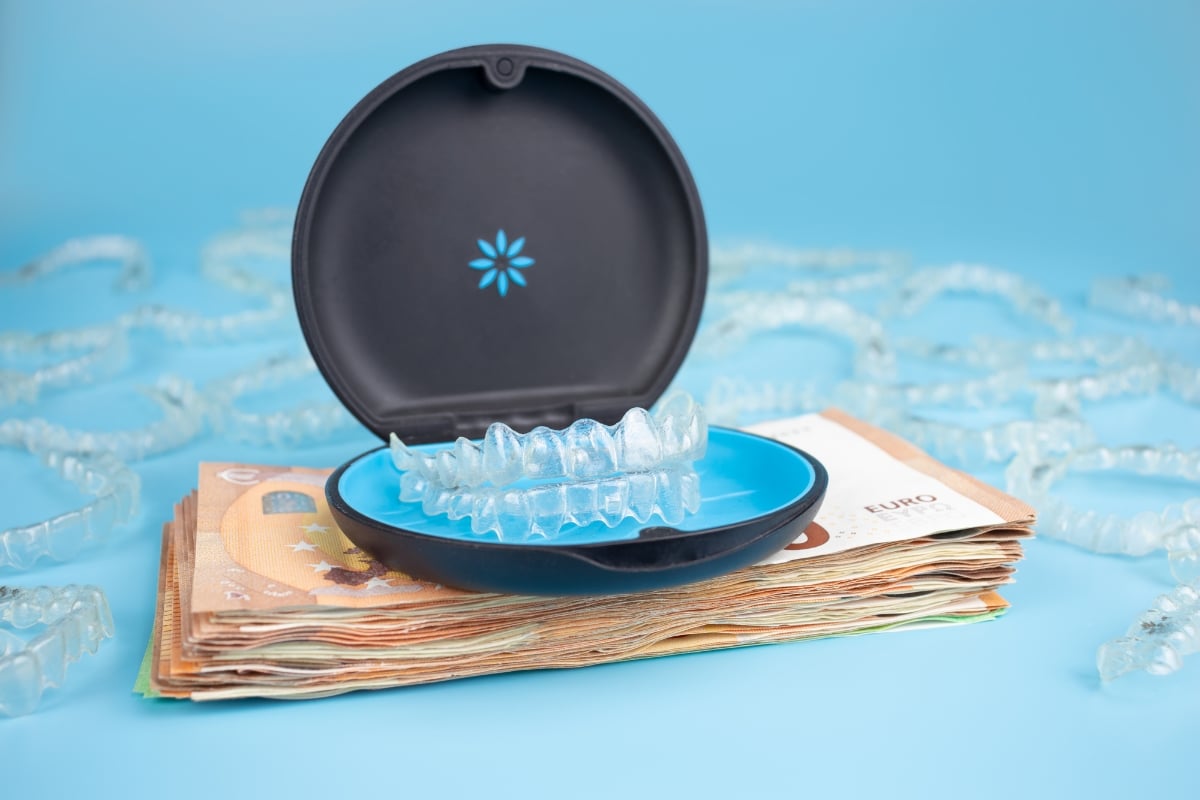
Invisalign for adults corrects these alignment problems using a series of custom clear aligners that gradually reposition teeth into their proper position. As the bite improves, so does the way forces are distributed — meaning less concentrated pressure on vulnerable surfaces and a significantly reduced risk of ongoing wear.
At Serenity Dental Studio, patients often visit us with already established signs of wear: flattened edges, sensitivity, or teeth that look shorter than they used to. In many cases, the root cause isn’t grinding or diet — it’s a bite that was unusual for a long time.
The Bite-Wear Connection
Think about what happens when a door doesn’t hang straight. The hinges take uneven stress, the frame wears unevenly, and eventually, things stop working properly. Teeth behave the same way. When your upper and lower teeth don’t meet correctly, the contact points that do exist wear down faster than nature intended.
This is relevant for adults because tooth enamel doesn’t regenerate. Once it’s gone, it’s gone. Addressing the alignment problem that causes premature wear isn’t just cosmetic – it’s preservation.
Several bite issues are known to accelerate tooth wear:
- Deep overbite: The upper front teeth overlap the lower ones too far, causing the lower teeth to strike the back of the uppers with every bite
- Crowding: Overlapping teeth create abnormal contact points that wear unevenly
- Open bite: Back teeth bear disproportionate force because front teeth don’t properly meet
- Crossbite: Upper and lower teeth pass each other on one or more sides, creating lateral grinding forces
How Clear Aligners Reduce Wear Risk
Beyond repositioning teeth, the aligners themselves provide a layer of protection during treatment. Worn over the teeth for 20 to 22 hours a day, they act as a light cushion between upper and lower arches, though their primary purpose is tooth movement rather than protection.
For adults who grind their teeth (a condition called bruxism), this is useful during treatment. Grinding places enormous forces on enamel and can accelerate wear. While the aligners aren’t a long-term substitute for a custom night guard, they do reduce direct enamel-to-enamel contact during ongoing treatment.
What Happens After Treatment
Completing Invisalign treatment doesn’t end your commitment to protecting your teeth — it changes what that commitment looks like. Once teeth are aligned, patients need retainers to maintain their tooth position. Many patients transition to wearing retainers nightly, which also helps protect against nighttime grinding.
Your dental team at Serenity Dental Studio will assess whether a custom night guard is appropriate for long-term wear protection, especially if bruxism is part of your history. Corrected alignment, plus retainer or night guard use, gives your teeth the best possible environment to last a lifetime.
Signs You Might Already Have Alignment-Related Wear
Some patients don’t realize their bite is the issue until an orthodontist/dentist examines the wear patterns on their teeth. There are, however, signs you need to pay attention to:
- Teeth that look flat or shorter than they did years ago
- Increased sensitivity to hot, cold, or sweet foods
- Chipping that happens repeatedly on the same teeth
- Jaw soreness or fatigue
- Headaches that originate from the jaw
Any of these requires a conversation with your orthodontist/dentist about bite assessment, not just symptom management. Treating the wear without addressing the cause is like patching a leak without fixing the pipe.
Tooth wear is easier to prevent than it is to repair. Book a consultation with Serenity Dental Studio in Round Rock to find out whether your bite is contributing to wear and what a clear aligner treatment plan could look like for you.
People Also Ask
Can tooth wear be reversed after Invisalign treatment?
Enamel loss itself can’t be reversed, but further wear can be stopped once alignment is corrected. In some cases, dental bonding or veneers can restore tooth structure that was lost before treatment began.
How long does Invisalign take for adults with bite issues?
Treatment length depends on the complexity of the bite problem, but most adults complete treatment between 12 and 24 months. More complex bite corrections that involve significant repositioning may take longer, as your provider will outline during your consultation.
Does Invisalign help with jaw pain caused by a bad bite?
Many patients report reduced jaw tension and TMJ-related discomfort after correcting their bite with Invisalign. However, it’s not a direct treatment for TMJ disorders, and patients with significant jaw joint issues should discuss that with their dentist.
Will I need a night guard after finishing Invisalign?
Not every patient does, but those with a history of grinding or clenching are often advised to wear a custom night guard after treatment to protect their corrected bite and prevent future wear. Your orthodontist/dentist will make that recommendation based on your oral health history.
Is it too late to start Invisalign if I already have some tooth wear?
No. Many adults begin treatment after some degree of wear has already occurred. The goal at that point is to prevent further damage. Your dentist may recommend addressing existing wear with restorative work either alongside or after completing alignment treatment.