

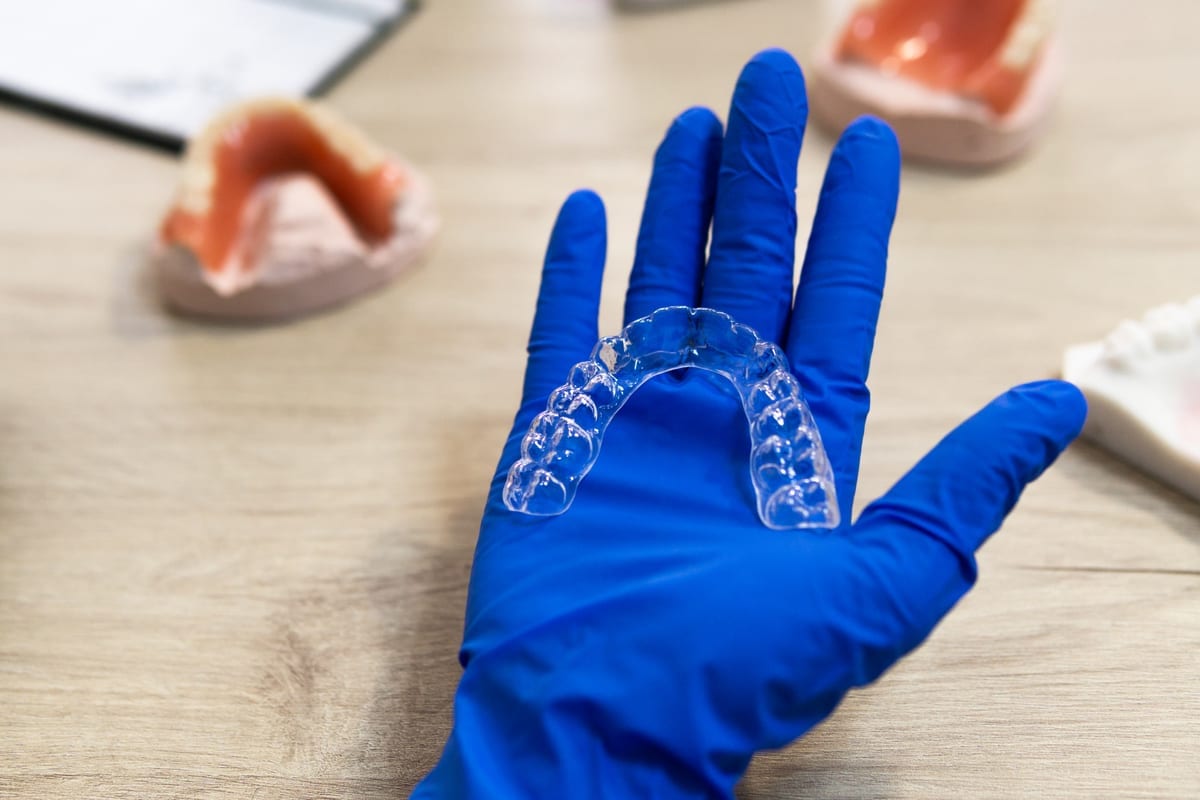
Have you ever wondered what actually happens when you swap to a new aligner tray? Understanding Inside Invisalign: The Surprising Science Behind Your Weekly Aligners in Round Rock can completely change how you think about your treatment. At Serenity Dental Studio, Dr. Hersheal Aggarwal believes informed patients get better results. When you understand the process, you stay motivated and consistent throughout your smile journey.
Invisalign is not magic — it is precise, predictable biomechanics. Each aligner applies controlled force to specific teeth. That force triggers a biological response inside your jawbone. The result is gradual, guided tooth movement that reshapes your smile safely.
How Invisalign Moves Teeth: The Biology Explained
Teeth do not sit rigidly in your jaw. They are held by a network of tiny fibers called the periodontal ligament. When an aligner applies gentle pressure, those fibers stretch and compress. This signals your body to remodel the surrounding bone.
On the pressure side, bone gradually breaks down in a process called resorption. On the tension side, new bone forms to fill the space. This cycle of breakdown and rebuilding is what allows teeth to shift safely. It is the same biology that makes traditional braces work — Invisalign just delivers that force differently.
Each aligner moves your teeth approximately 0.25 millimeters. That sounds tiny, but it adds up significantly over dozens of trays. Consistent wear — at least 20 to 22 hours daily — keeps the process on schedule. Skipping wear time slows down bone remodeling and extends your overall treatment.
The Weekly Aligner Change Schedule in Round Rock: Why Timing Matters
Many Round Rock patients ask why they change aligners on a set schedule. The answer lies in that bone remodeling cycle. Your body needs enough time to begin shifting but not so long that teeth stabilize in the wrong position. Changing too early means the teeth have not moved enough. Changing too late means the bone may start to anchor around the old position.
Dr. Aggarwal customizes your aligner schedule based on your specific treatment plan. Some patients change every seven days, while others may follow a ten-day or two-week cycle. Invisalign’s ClinCheck technology maps out each micro-movement in advance. Your schedule is not arbitrary — it is engineered for your unique anatomy.
Here is what drives your aligner change timing:
- Bone density: Denser bone may require slightly longer wear per tray
- Tooth root length: Longer roots can move more efficiently with certain force levels
- Number of teeth moving: Moving multiple teeth simultaneously affects pacing
- Patient compliance: Consistent 20-to-22-hour daily wear keeps the schedule accurate
What Are Invisalign Attachments and Why Do You Need Them?
Attachments are small, tooth-colored bumps bonded directly onto certain teeth. They act like handles that give the aligner extra grip. Without them, smooth plastic cannot always generate the complex forces needed for rotations or vertical movements. Attachments solve this problem elegantly.
Dr. Aggarwal places attachments using a precise template during your fitting appointment. Most patients barely notice them after a few days. They blend with your enamel and do not interfere significantly with your daily life. They are removed painlessly at the end of treatment, leaving no permanent marks.
Common reasons your treatment plan may include attachments:
- Rotating a tooth that is significantly turned
- Extruding or intruding a tooth vertically
- Moving a canine or premolar with a curved root path
- Correcting a stubborn tipping issue
Not every patient needs attachments. Mild to moderate cases often proceed without them. Your ClinCheck plan will show exactly where attachments are placed and why each one serves a purpose.
Understanding Refinements: What Happens When Your Teeth Need Extra Guidance
Refinements are additional aligner series created after your initial trays are complete. They are a normal and expected part of many Invisalign journeys. Teeth are living structures, and biology does not always follow a digital plan perfectly. Refinements close the gap between your predicted outcome and your actual progress.
Dr. Aggarwal takes new digital scans when your initial series ends. Those scans go back to Invisalign’s lab to generate a fresh set of custom trays. The new trays pick up exactly where your teeth are, not where they were predicted to be. This real-time adjustment is one of Invisalign’s greatest strengths.
Refinements do not mean something went wrong. They mean your treatment is being fine-tuned for the best possible result. Most comprehensive cases include at least one refinement phase. Patients who wear their aligners consistently tend to need fewer refinement trays overall.
Tips for Getting the Most From Your Invisalign Treatment
The science works best when patients work with it. Small daily habits make a significant difference in your outcome and timeline. Dr. Aggarwal and the Serenity Dental Studio team share these proven strategies with every Round Rock patient.
- Wear your aligners 20 to 22 hours daily — consistency drives bone remodeling
- Switch trays at night — any initial soreness passes while you sleep
- Keep aligners clean — rinse every time you remove them to prevent buildup
- Never skip a tray — each one prepares your teeth for the next stage
- Attend all check-in appointments — Dr. Aggarwal monitors progress and catches issues early
- Store unused trays safely — you may need a prior tray if one is lost or damaged
Lifestyle adjustments are minimal with Invisalign. You remove trays to eat and drink anything other than plain water. Brush and floss before reinserting. This simple routine protects both your teeth and your aligner material.
Your Invisalign Journey Starts With a Conversation
The science behind Invisalign is sophisticated, but your experience at Serenity Dental Studio is designed to feel effortless. Dr. Hersheal Aggarwal takes time to walk every Round Rock patient through their personalized ClinCheck simulation. You will see your projected outcome before a single tray is made. That transparency builds trust and sets realistic expectations from day one.
Knowing how your aligners work empowers you to stay committed. Every tray change brings you measurably closer to your goal. The biology is working in your favor each time you wear your aligners as directed. Your role is simply to follow the plan and keep your appointments.
Ready to see the science in action for your own smile? Book Now to schedule your appointment with our team.
Frequently Asked Questions
How do Invisalign aligners actually move teeth?
Each aligner applies a small, precise amount of pressure to targeted teeth. That pressure triggers bone resorption on one side and new bone formation on the other. This biological remodeling process allows teeth to shift safely and predictably through your jaw over time.
Why do I change my aligners on a specific schedule?
The change schedule is timed to match your body’s bone remodeling cycle. Changing too early does not give teeth enough time to shift. Changing too late risks the bone stabilizing around the current position. Dr. Aggarwal sets your personal schedule based on your unique treatment plan and anatomy.
Do all Invisalign patients need attachments?
No, not every patient requires attachments. Mild to moderate alignment cases often proceed without them. Attachments are added when specific tooth movements — such as rotations or vertical shifts — need extra precision and grip that smooth aligner plastic alone cannot provide.
What are refinements and should I be worried about needing them?
Refinements are additional aligner trays created after your initial series is complete. They are a normal part of comprehensive Invisalign treatment. Teeth are biological structures that do not always move exactly as predicted digitally. Refinements fine-tune your results and are not a sign that anything went wrong.
How many hours a day do I need to wear my Invisalign aligners?
Invisalign requires 20 to 22 hours of daily wear for the treatment to stay on schedule. Wearing aligners for fewer hours slows bone remodeling and can extend your total treatment time. Remove them only to eat, drink anything other than water, and perform your oral hygiene routine.